
Understanding How Defective Design and Construction Impacts Insurance Claims
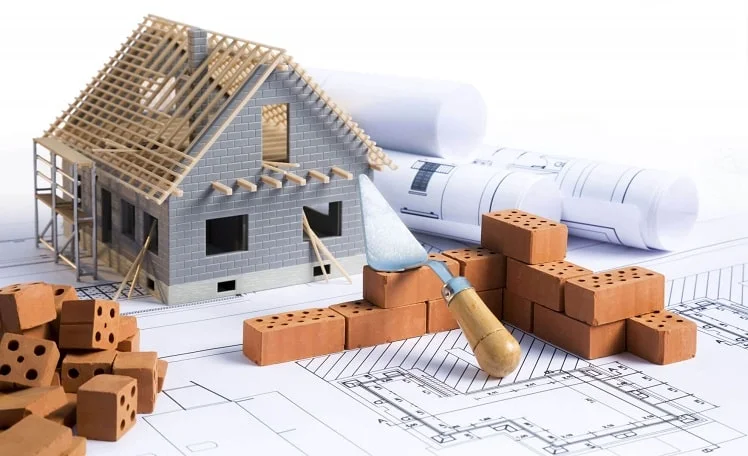
Let’s tackle a vital topic – how design and construction can influence your insurance claims at your sectional title body corporate or homeowners’ association. We’re here to shed light on the distinction between insurance coverage and home guarantees, so you’re armed with the right knowledge.
First things first, insurance isn’t a magic wand for all things housing. It’s not designed to cover maintenance or fix issues caused by defective design, construction, or materials. Insurance protects you against sudden and unforeseen events, not ongoing maintenance, or design flaws.
Here’s the scoop: When a claim hits your insurer’s radar, they investigate the root cause. If they find poor craftsmanship, shoddy construction, or flawed design as major contributors to the damage, your claim could be rejected.
Imagine this scenario: Your boundary wall crumbles due to poor construction. Even if an unexpected event like a freak storm triggers the damage, your insurer could decline the payout. Remember, even if the damage-causing event is unforeseen, if the structure was poorly built or designed, the chances of getting a payout are slim to none due to the defective design or construction.
Common Causes of Claims Rejection:
- Tiles lifting due to subpar adhesive
- Tiles cracking due to improper spacing, limiting contraction and expansion
- Houses constructed on slopes without adequate foundation support, leading to cracks
- Retaining or boundary walls breaching regulations, like single-course brick walls exceeding 1.8m without proper support
- Roofs with insufficient pitch causing water accumulation and damage
- Ceilings lacking proper supports, leading to sagging and collapse
- Poor damp-proofed foundations allowing gradual rising damp penetration
So, if you’re in the home-buying phase, consider this your detective mission. Get a comprehensive inspection to uncover any non-compliant structures and potential costs to fix them.
Prevention is Key: If you’re making alterations, go with approved providers from the get-go. Whether you’re buying or own a home, if you’re uncertain about its compliance with building regulations, hiring a qualified professional to check is your best bet.
Let’s Be Proactive: Don’t be shy about design or construction shortcomings, even the small ones. Report them to your insurer. Keeping mum and hoping for a payout when damage occurs won’t cut it. Remember, it’s all about knowing your risks upfront and taking action to prevent issues down the line.
Stay Covered,
Ryan